Flight Attendant Addiction Treatment: Specialized Help for Airline Professionals

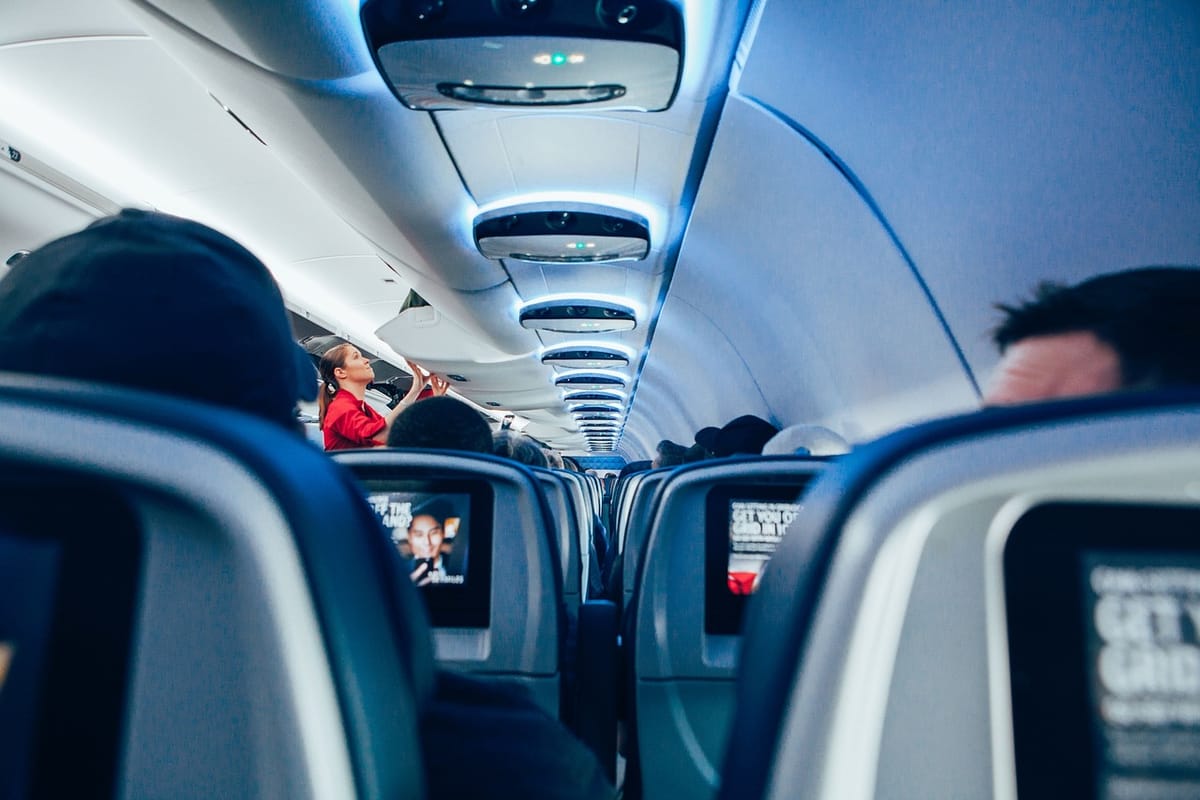
Flight Attendant Addiction Treatment: Specialized Help for Airline Professionals
Introduction
Flight attendants face unique challenges that can contribute to substance abuse, including irregular schedules, sleep deprivation, high stress, and isolation. If you or a loved one is struggling with addiction, specialized flight attendant addiction treatment can provide the tailored support needed for recovery while addressing the demands of the aviation industry.
This guide explores:
- The unique risk factors flight attendants face
- Evidence-based treatment options
- Confidential rehab programs for airline professionals
- How to maintain job security while seeking help
- FAQs on flight attendant addiction treatment
Why Flight Attendants Are at Higher Risk for Addiction
1. Stress and Burnout in the Aviation Industry
Flight attendants deal with demanding passengers, long hours, and strict safety protocols. Chronic stress can lead to self-medication with alcohol, prescription drugs, or other substances.
2. Sleep Deprivation and Jet Lag
Frequent time zone changes disrupt circadian rhythms, increasing reliance on stimulants (e.g., caffeine, ADHD medications) or sedatives (e.g., sleeping pills, alcohol) to regulate sleep.
3. Isolation and Loneliness
Constant travel can lead to social disconnection, making flight attendants more vulnerable to substance use as a coping mechanism.
4. Workplace Culture and Accessibility
Airport bars, layover drinking culture, and easy access to duty-free alcohol contribute to higher rates of alcohol dependency among airline crew.
Specialized Flight Attendant Addiction Treatment Programs
1. Inpatient Flight Attendant Rehab Programs
- 24/7 medical supervision for safe detox
- Structured environment away from triggers
- Therapies tailored to aviation professionals
2. Outpatient Addiction Treatment for Flight Attendants
- Flexible scheduling for working crew
- Intensive outpatient programs (IOP) with therapy and peer support
- Telehealth options for those on the move
3. Confidential Addiction Help for Airline Crew
- HIPAA-compliant treatment to protect job security
- Discreet programs that don’t report to employers unless required
4. Dual Diagnosis Treatment for Flight Attendants
Many struggle with co-occurring disorders like:
- Anxiety & depression
- PTSD from in-flight incidents
- Chronic fatigue-related mental health issues
5. Medication-Assisted Treatment (MAT) for Flight Attendants
- FDA-approved medications (e.g., Suboxone, Vivitrol) to reduce cravings
- Supervised by addiction specialists
6. Trauma-Informed Care for Flight Attendant Addiction
- Addresses workplace trauma (e.g., passenger aggression, emergencies)
- Evidence-based therapies: EMDR, CBT, and DBT
Overcoming Barriers to Treatment
1. Fear of Losing Your Job
- FADAP (Flight Attendant Drug and Alcohol Program) provides support without automatic termination.
- EAP (Employee Assistance Programs) may cover treatment costs.
2. Managing Work and Recovery
- Short-term disability for inpatient rehab
- Return-to-work agreements with airlines
3. Peer Support for Flight Attendants in Recovery
- Aviation-specific 12-step groups
- Flight attendant sober communities
Success Stories: Flight Attendants in Recovery
"After years of using alcohol to cope with jet lag, I finally sought help. A specialized flight attendant rehab program saved my career—and my life." – Sarah, 5 years sober
FAQs: Flight Attendant Addiction Treatment
1. Can flight attendants keep their jobs after rehab?
Yes, many airlines have return-to-work policies for crew who complete treatment. Confidentiality is key.
2. What’s the best rehab program for flight attendants?
Inpatient programs are ideal for severe addiction, while outpatient/IOP works for moderate cases.
3. Does insurance cover flight attendant addiction treatment?
Most plans cover rehab under mental health parity laws. Check with your provider.
4. How do I know if I need help?
Signs include:
- Drinking/using drugs to cope with stress
- Hiding substance use from colleagues
- Performance issues at work
5. Are there non-12-step options for flight attendants?
Yes, alternatives like SMART Recovery and holistic rehab are available.
Conclusion: Taking the First Step Toward Recovery
Flight attendants deserve specialized addiction treatment that understands their unique challenges. Whether through inpatient flight attendant rehab programs, outpatient care, or confidential support, recovery is possible without sacrificing your career.
Ready for help? Contact a flight-attendant-friendly rehab center today.