LGBTQ Addiction Treatment Orange County: Finding Safe, Inclusive Recovery Solutions

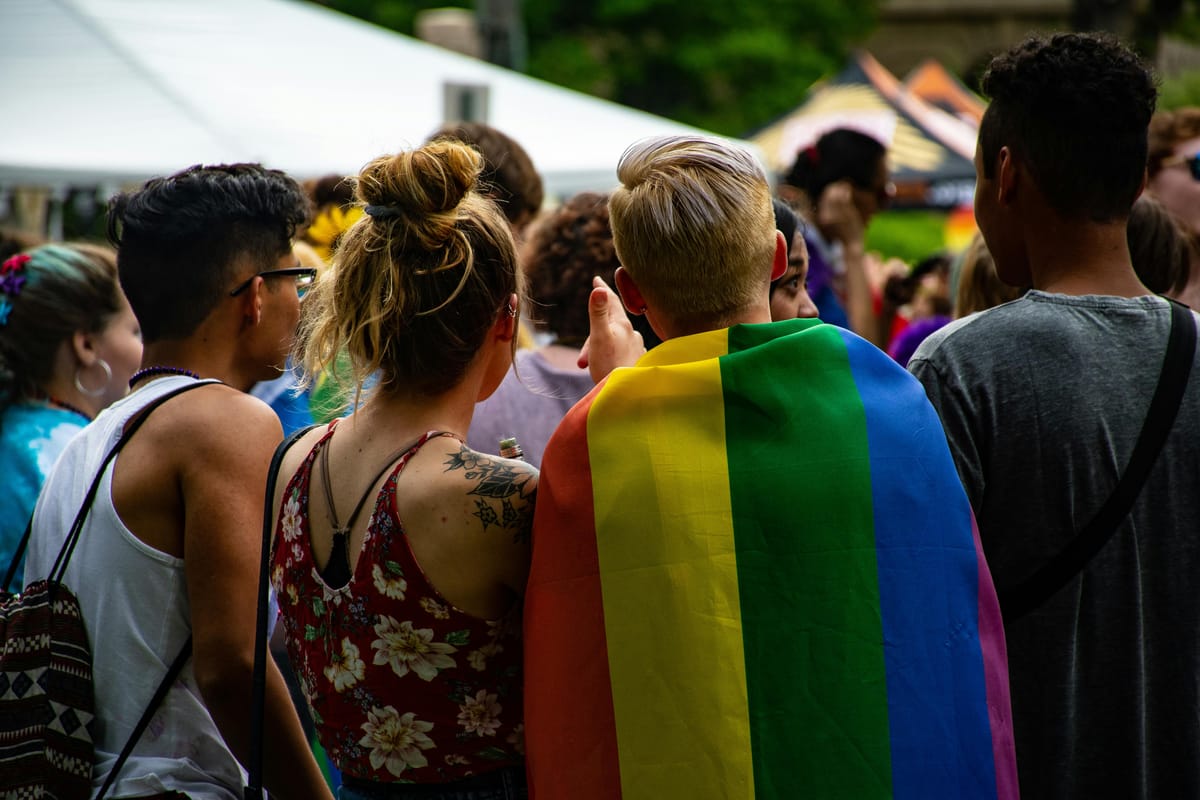
LGBTQ Addiction Treatment in Orange County
Finding addiction treatment that truly understands and supports LGBTQ individuals requires more than standard care approaches. In Orange County, California, the need for specialized LGBTQ addiction treatment has grown significantly as community members seek recovery programs that address their unique challenges while providing culturally competent care.
The LGBTQ community faces disproportionately higher rates of substance abuse compared to the general population. According to recent studies, LGBTQ adults are nearly twice as likely to experience substance use disorders, with rates reaching up to 30% in some segments of the community. These statistics highlight the critical importance of accessing LGBTQ-friendly addiction therapy in Orange County that addresses both addiction and the underlying factors that contribute to substance abuse within this population.
Understanding the Unique Challenges Facing LGBTQ Individuals
The Impact of Minority Stress
LGBTQ individuals often experience what researchers call "minority stress" – the chronic stress experienced by stigmatized minority groups. This stress manifests through various forms including societal discrimination, family rejection, workplace harassment, and internalized negative feelings about one's identity. These stressors create a perfect storm for substance abuse as individuals may turn to drugs or alcohol as coping mechanisms.
In Orange County, despite being located in progressive California, LGBTQ individuals still encounter significant challenges. A 2023 community assessment found that 45% of LGBTQ residents reported experiencing discrimination in healthcare settings, while 38% avoided seeking medical care due to fear of judgment or inadequate treatment.
Trauma and Its Role in Addiction
Trauma-informed therapy for LGBTQ individuals has become a cornerstone of effective treatment because trauma rates within this community are exceptionally high. The National Center for PTSD reports that LGBTQ individuals experience trauma at rates 2-3 times higher than their heterosexual, cisgender counterparts.
Common trauma experiences include:
- Childhood abuse or neglect related to sexual orientation or gender identity
- Sexual assault and intimate partner violence
- Rejection by family members or religious communities
- Bullying and harassment in school or workplace settings
- Medical trauma from inadequate or discriminatory healthcare
These traumatic experiences often remain unaddressed in traditional addiction treatment settings, which is why finding specialized LGBTQ drug and alcohol rehab in Orange County becomes essential for lasting recovery.
Types of LGBTQ Addiction Treatment Available in Orange County
Inpatient LGBTQ Rehab Orange County
Inpatient treatment programs provide the highest level of care, typically lasting 30-90 days. These residential programs offer 24-hour medical supervision and intensive therapeutic support. For LGBTQ individuals, inpatient facilities in Orange County that specialize in culturally competent care provide several advantages:
Comprehensive Assessment: Initial evaluations consider not just substance use patterns but also identity-related stressors, trauma history, and co-occurring mental health conditions that are common in the LGBTQ community.
Peer Support: Being surrounded by others who understand the unique challenges of being LGBTQ creates a supportive environment where individuals can focus on recovery without fear of judgment or discrimination.
Specialized Programming: Many facilities incorporate LGBTQ-specific group therapy, educational sessions about minority stress, and workshops on building resilience within the community.
Outpatient LGBTQ Addiction Treatment Orange County
Outpatient programs offer flexibility while maintaining therapeutic intensity. These programs are ideal for individuals who have work, family, or educational commitments but still need structured support. Outpatient treatment options include:
Intensive Outpatient Programs (IOP): Typically meeting 3-5 times per week for 3-4 hours per session, IOPs provide comprehensive treatment while allowing individuals to maintain their daily responsibilities.
Standard Outpatient Therapy: Meeting 1-2 times per week, this option works well for those in early recovery who have completed higher levels of care or for individuals with less severe addiction issues.
LGBTQ-Specific Group Therapy: Many Orange County providers offer specialized group sessions that address topics like coming out in recovery, navigating relationships in sobriety, and dealing with family dynamics.
Dual Diagnosis Treatment for LGBTQ Community Orange County
The co-occurrence of mental health disorders and substance abuse is particularly high within the LGBTQ community. Studies indicate that up to 60% of LGBTQ individuals seeking addiction treatment also have co-occurring mental health conditions such as:
- Depression and anxiety disorders
- Post-traumatic stress disorder (PTSD)
- Bipolar disorder
- Eating disorders
- Self-harm behaviors
Dual diagnosis treatment addresses both conditions simultaneously, recognizing that successful recovery requires treating the whole person, not just the addiction. Evidence-based LGBTQ addiction treatment incorporates proven therapeutic modalities specifically adapted for LGBTQ experiences.
Evidence-Based Treatment Approaches
Cognitive Behavioral Therapy (CBT) Adapted for LGBTQ Clients
CBT helps individuals identify and change negative thought patterns and behaviors that contribute to substance abuse. When adapted for LGBTQ clients, CBT addresses specific cognitive distortions related to identity, such as internalized homophobia or transphobia, and helps develop healthier coping strategies for minority stress.
Dialectical Behavior Therapy (DBT)
DBT is particularly effective for LGBTQ individuals who have experienced trauma or struggle with emotional regulation. The skills taught in DBT – mindfulness, distress tolerance, emotion regulation, and interpersonal effectiveness – are invaluable for navigating the unique stressors faced by LGBTQ individuals.
Acceptance and Commitment Therapy (ACT)
ACT helps individuals accept difficult thoughts and feelings while committing to actions aligned with their values. For LGBTQ individuals, this approach can be particularly powerful in developing self-acceptance and building resilience against discrimination and stigma.
Family Systems Therapy
Family therapy for LGBTQ individuals and their families addresses the complex dynamics that often exist around sexual orientation and gender identity. Many LGBTQ individuals enter recovery with strained or severed family relationships, and family therapy can help repair these bonds while educating family members about LGBTQ issues and recovery.
Specialized Populations Within the LGBTQ Community
Transgender and Gender Non-Conforming Addiction Treatment
Transgender substance abuse treatment in Orange County requires providers who understand the unique challenges faced by transgender and gender non-conforming individuals. These challenges include:
Gender Dysphoria and Substance Use: Many transgender individuals begin using substances to cope with gender dysphoria before accessing gender-affirming care. Treatment must address both the underlying dysphoria and the substance abuse.
Discrimination in Healthcare: Transgender individuals often avoid seeking medical care due to discrimination, leading to delayed treatment and more severe addiction issues.
Hormone Therapy Considerations: Treatment providers must understand how hormone replacement therapy interacts with substances and ensure continuity of gender-affirming care during recovery.
Gay and Lesbian Addiction Recovery Programs Orange County
While gay and lesbian individuals share some common experiences with other LGBTQ community members, they also face specific challenges that require targeted intervention:
Substance Use in Gay Male Culture: The gay male community has historically used certain substances as part of social and sexual culture. Recovery programs must address these cultural aspects while helping individuals build new social connections.
Lesbian Invisibility: Lesbian women often face unique forms of discrimination and may struggle with accessing appropriate healthcare. Treatment programs must be sensitive to these issues while providing culturally competent care.
LGBTQ Youth and Addiction
Young LGBTQ individuals face particular vulnerability to substance abuse, with studies showing they begin using substances at earlier ages and experience more severe consequences. LGBTQ youth addiction programs in Orange County focus on:
- Age-appropriate treatment modalities
- School and family involvement when safe and appropriate
- Building supportive peer networks
- Addressing developmental issues alongside addiction
Comprehensive Treatment Services
Medication-Assisted Treatment (MAT)
For individuals struggling with opioid or alcohol addiction, medication-assisted treatment can be a crucial component of recovery. MAT combines FDA-approved medications with counseling and behavioral therapies. LGBTQ-affirming providers ensure that MAT is delivered within a framework that considers the unique needs of LGBTQ individuals, including potential interactions with hormone therapy and sensitivity to medical trauma.
Holistic Therapies for Addiction
Many Orange County LGBTQ treatment programs incorporate holistic approaches that treat the mind, body, and spirit:
Mindfulness and Meditation: These practices help individuals develop awareness of triggers and cravings while building emotional regulation skills.
Yoga and Movement Therapy: Physical practices can help individuals reconnect with their bodies, particularly important for those who have experienced trauma or gender dysphoria.
Art and Music Therapy: Creative expressions provide alternative ways to process emotions and experiences that may be difficult to verbalize.
Acupuncture and Massage: These complementary therapies can help manage withdrawal symptoms and reduce stress and anxiety.
LGBTQ Sober Living Orange County
Transitional living environments provide crucial support during the vulnerable early recovery period. LGBTQ sober living homes in Orange County offer:
- Safe, discrimination-free housing environments
- Peer support from other LGBTQ individuals in recovery
- Structure and accountability while maintaining independence
- Connection to ongoing treatment and support services
- Assistance with life skills and reintegration into the community
Finding LGBTQ-Friendly Treatment Providers
What to Look for in Treatment Programs
When searching for LGBTQ addiction treatment in Orange County, consider the following factors:
Staff Training and Competency: Look for programs where staff have received specific training in LGBTQ issues and cultural competency. This training should be ongoing and comprehensive.
Inclusive Policies: Facilities should have clear non-discrimination policies and procedures for addressing bias incidents. They should also have inclusive intake forms and documentation that respect chosen names and pronouns.
Specialized Programming: The best programs offer LGBTQ-specific groups, educational components, and treatment approaches that address minority stress and identity-related issues.
Peer Support Opportunities: Programs should facilitate connections with other LGBTQ individuals in recovery, either through group therapy or peer support programs.
Aftercare Planning: Comprehensive programs help clients connect with LGBTQ-friendly continuing care resources, including therapists, support groups, and community organizations.
Questions to Ask Potential Treatment Providers
Before enrolling in a program, consider asking:
- What specific training do your staff members receive regarding LGBTQ issues?
- How do you ensure a safe and welcoming environment for LGBTQ clients?
- What LGBTQ-specific programming do you offer?
- How do you handle issues related to chosen names and pronouns?
- Do you have experience treating transgender clients, including coordination with hormone therapy?
- What aftercare resources can you connect me with in the LGBTQ community?
Insurance and Financial Considerations
Coverage for LGBTQ Addiction Treatment
Most insurance plans are required to cover addiction treatment services, and many California insurance plans provide comprehensive coverage for both inpatient and outpatient treatment. However, navigating insurance can be challenging for LGBTQ individuals, particularly transgender individuals who may face additional barriers.
Medi-Cal Coverage: California's Medicaid program provides comprehensive addiction treatment coverage, including specialized services for LGBTQ individuals.
Private Insurance: Most private insurance plans cover addiction treatment, though coverage levels may vary. Many plans now include coverage for gender-affirming care alongside addiction treatment.
Sliding Scale and Financial Assistance: Many Orange County treatment providers offer sliding scale fees or financial assistance programs for individuals who cannot afford treatment.
Orange County Resources and Support
Community Organizations and Support Groups
Orange County has a robust network of LGBTQ community organizations that provide support and resources:
LGBTQ Center Orange County: Provides various services including support groups, counseling, and referrals to addiction treatment providers.
Anonymous Programs: AA and NA groups specifically for LGBTQ individuals meet throughout Orange County, providing ongoing peer support in recovery.
PFLAG Orange County: Supports LGBTQ individuals and their families, offering resources and education about addiction and recovery.
Healthcare Systems and Providers
Several healthcare systems in Orange County have developed specialized LGBTQ programs:
UCI Health: Offers comprehensive LGBTQ healthcare services, including addiction treatment referrals and coordination with gender-affirming care.
Kaiser Permanente: Provides integrated addiction and mental health services with LGBTQ-trained providers.
Community Health Centers: Multiple federally qualified health centers throughout Orange County offer sliding-scale addiction treatment services with LGBTQ cultural competency.
The Recovery Journey: What to Expect
Early Recovery Challenges
The early stages of recovery present unique challenges for LGBTQ individuals. Many have used substances to cope with discrimination, rejection, or internal conflicts about their identity. Learning to navigate these feelings without substances requires specialized support and understanding.
Common early recovery challenges include:
- Dealing with emotions that were previously numbed by substances
- Navigating social situations without substances, particularly in LGBTQ social spaces where substance use may be common
- Addressing internalized negative beliefs about sexual orientation or gender identity
- Rebuilding relationships with family members who may not be supportive of their identity
Building a Strong Recovery Foundation
Successful LGBTQ addiction recovery involves building multiple layers of support:
Professional Support: Ongoing therapy with LGBTQ-affirming providers who understand both addiction and identity issues.
Peer Support: Connections with other LGBTQ individuals in recovery who can provide understanding and encouragement.
Community Involvement: Engagement with the broader LGBTQ community in healthy, substance-free activities.
Family Support: When possible and safe, involving supportive family members in the recovery process.
Spiritual Support: For those who are interested, finding LGBTQ-affirming spiritual communities can provide additional support and meaning.
Long-Term Recovery Success
Long-term recovery for LGBTQ individuals often involves ongoing work around identity, relationships, and community connection. Many individuals find that recovery allows them to more fully embrace their authentic selves and build meaningful relationships within the LGBTQ community.
Factors that support long-term recovery include:
- Continued therapy or counseling as needed
- Regular participation in support groups
- Healthy coping strategies for managing minority stress
- Strong social support networks
- Engagement in meaningful activities and purpose
- Ongoing attention to physical and mental health
Frequently Asked Questions About LGBTQ Addiction Treatment
How is LGBTQ addiction treatment different from traditional treatment?
LGBTQ addiction treatment incorporates an understanding of minority stress, trauma, and identity-related issues that are unique to the LGBTQ community. Treatment providers are trained in LGBTQ cultural competency and offer specialized programming that addresses these specific challenges alongside addiction recovery.
What should I do if I experience discrimination in a treatment program?
If you experience discrimination in a treatment program, first document the incident and report it to program administrators. If the issue is not resolved satisfactorily, you can contact the California Department of Health Care Services or other regulatory bodies. You also have the right to transfer to a different treatment program that provides more affirming care.
Can I continue hormone replacement therapy during addiction treatment?
Yes, most LGBTQ-affirming treatment programs will coordinate with your healthcare providers to ensure continuity of hormone replacement therapy during treatment. It's important to inform your treatment team about all medications and medical treatments you're receiving.
How do I find LGBTQ-friendly support groups in Orange County?
Several resources can help you locate LGBTQ-friendly support groups in Orange County, including the LGBTQ Center Orange County, online directories, and referrals from treatment providers. Many areas have specific LGBTQ AA and NA meetings.
What if my family isn't supportive of my sexual orientation or gender identity?
Treatment programs can help you navigate complex family relationships and may offer family therapy when appropriate. Some families become more supportive over time, while others may not. Your treatment team can help you build other sources of support and develop strategies for managing difficult family relationships.
Is outpatient treatment effective for LGBTQ individuals?
Outpatient treatment can be very effective for LGBTQ individuals, particularly when it includes specialized programming that addresses minority stress and identity issues. The key is finding a program that provides adequate intensity and LGBTQ-specific support.
How do I pay for LGBTQ addiction treatment?
Most insurance plans cover addiction treatment, and many California plans include comprehensive coverage. Medi-Cal provides coverage for qualifying individuals, and many treatment programs offer sliding scale fees or financial assistance. Treatment programs can help you understand your coverage options.
What types of therapy are most effective for LGBTQ individuals?
Evidence-based therapies that have been adapted for LGBTQ individuals include cognitive behavioral therapy (CBT), dialectical behavior therapy (DBT), and acceptance and commitment therapy (ACT). Trauma-informed therapy approaches are also particularly important given the high rates of trauma in the LGBTQ community.
Can I bring my partner to family therapy sessions?
Most LGBTQ-affirming treatment programs welcome chosen family members, including partners, to participate in family therapy when appropriate and beneficial for recovery. This recognition of chosen family is an important aspect of culturally competent care.
What happens after I complete treatment?
Aftercare planning is a crucial component of LGBTQ addiction treatment. This typically includes connections to ongoing therapy, support groups, sober living arrangements if needed, and community resources. Many programs offer alumni services to provide ongoing support and connection.
The journey to recovery for LGBTQ individuals in Orange County requires specialized care that addresses both addiction and the unique challenges faced by this community. With the right treatment approach, support systems, and ongoing care, LGBTQ individuals can achieve lasting recovery while embracing their authentic selves. The key is finding treatment providers who understand the intersection of addiction and LGBTQ identity and are committed to providing affirming, culturally competent care.
Orange County offers numerous resources and treatment options for LGBTQ, like that offered by Asana Recovery, for individuals seeking recovery. By understanding the available options and knowing what to look for in treatment programs, individuals can make informed decisions about their care and begin the journey toward a healthier, more authentic life in recovery.