My Son Is Addicted to Fentanyl — What Should I Do?

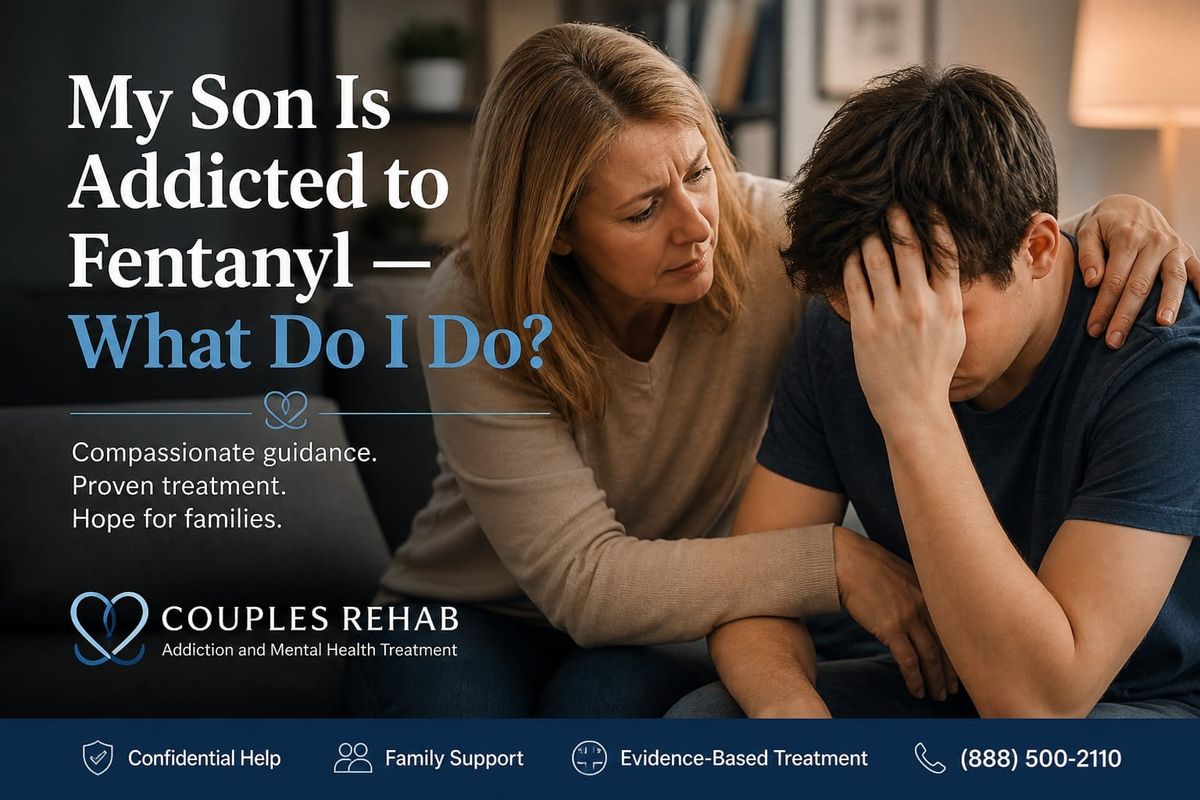
If you just learned that your son may be using fentanyl, act now. Fentanyl carries a very high overdose risk, can lead to dependence quickly, and often requires professional treatment rather than willpower alone. Recovery is possible, but urgent, informed action can save a life.
How Dangerous Fentanyl Addiction Is for Young Adults
Fentanyl is a synthetic opioid that is far more potent than morphine, and even small amounts can be deadly. It is a major driver of overdose deaths in the U.S., especially because it is often mixed into other drugs or pressed into counterfeit pills that look legitimate. The CDC reports that opioid-involved overdose remains a leading public health crisis, which is why families should treat suspected fentanyl use as an emergency-level concern.
Young adults may not realize they are taking fentanyl at all. Counterfeit pills sold as Xanax, Percocet, or OxyContin can contain fentanyl, and accidental exposure can happen quickly when someone believes they are using something else. That is why fentanyl addiction is so dangerous: the person may not be seeking fentanyl specifically, yet still be at risk for overdose, poisoning, and rapid dependence.
Because fentanyl is so powerful, stopping use can trigger intense withdrawal and cravings. In many cases, medically supervised detox is the safest first step, especially when the person has a history of heavy use, overdose, polysubstance use, or severe withdrawal symptoms.
For more background on substance use and treatment education, see our addiction education resources.
Signs Your Son May Be Addicted to Fentanyl
Fentanyl addiction can develop quickly, and the warning signs are not always obvious at first. Parents often notice changes in behavior before they notice drug use itself. The earlier you identify the pattern, the sooner you can intervene.
Common signs include:
- Sudden behavioral changes.
- Extreme drowsiness or “nodding off.”
- Financial problems or missing money.
- Secretive behavior or isolation.
- Withdrawal symptoms when he cannot use.
- Signs of opioid dependence, such as compulsive use despite harm.
Other clues can include constricted pupils, slowed breathing, poor concentration, frequent illness, and changes in sleep or appetite. If your son is hiding pills, using drugs alone, or becoming emotionally detached, those are also serious warning signs.
Addiction can move fast with fentanyl because the drug affects the brain’s reward system quickly and strongly. What may begin as experimentation, pain relief, or use with friends can become dependence before families understand how serious the situation has become.
What to Do Immediately If Your Son Is Using Fentanyl
If you are asking, “My son is addicted to fentanyl, what do I do?” the first step is to focus on safety, not blame. A calm, organized response gives you the best chance of helping him accept treatment.
Use these steps right away:
- Stay calm and avoid a confrontation that could make him hide his use more carefully.
- Learn the signs of overdose, including slowed or stopped breathing, blue lips, pinpoint pupils, gurgling sounds, and unresponsiveness.
- Secure naloxone (Narcan) and make sure everyone in the home knows how to use it.
- Call for professional addiction help as soon as possible.
- Consider medical detox, especially if he is using fentanyl daily or showing withdrawal symptoms.
If you suspect an overdose, call 911 immediately. If he is awake but impaired, encourage urgent evaluation rather than waiting for the next crisis.
You can also use our crisis support resources to understand the next step and how to respond without escalating the situation.
Speak With an Addiction Specialist
If your son is struggling with fentanyl addiction, confidential help is available.
Contact Couples Rehab to learn about treatment options and how families can support recovery.
Start here: Contact us.
Fentanyl Withdrawal Symptoms
Fentanyl withdrawal can begin quickly and may feel overwhelming. In many cases, symptoms start within 6 to 12 hours after the last use, become more noticeable around 24 hours, and peak around 72 hours. The timeline can vary depending on how often he used fentanyl, whether he was using other substances, and his overall health.
Common fentanyl withdrawal symptoms include:
- Severe cravings.
- Nausea and vomiting.
- Anxiety or panic.
- Insomnia.
- Muscle pain and body aches.
- Depression or irritability.
These symptoms are one reason families often need guidance from a medical provider rather than trying to stop use at home. Withdrawal can push someone back to use very quickly, especially if they are exhausted, dehydrated, or in emotional distress.
Medical detox is the safest option when symptoms are severe or when there is a high overdose risk after relapse. Learn more about care options in our treatment levels guide.
Why Medical Detox Is Often Necessary for Fentanyl Addiction
Medical detox is often necessary because fentanyl withdrawal can be physically and psychologically intense. The pain of withdrawal can make relapse more likely, and relapse after a period of lowered tolerance can sharply increase overdose risk. Families should not assume that “getting through a few bad days” is a safe plan.
In a supervised detox setting, medical staff can monitor vital signs, manage symptoms, and reduce complications. They can also help assess whether medication-assisted treatment may be appropriate. For many patients, that support is what makes the difference between repeated relapse and a successful transition into rehab.
For a broader view of care options and placement levels, review our treatment-levels resource. Families exploring next steps can also learn about detox and stabilization pathways through detox programs.
How to Get Someone Into Rehab When They Refuse Help
Many parents feel stuck because their son does not want treatment. That is common, and it does not mean nothing can be done. A refusal today can change tomorrow, especially if the family is prepared and consistent.
Start with a calm, direct conversation. Speak about specific behaviors you have noticed, express concern without threats, and avoid arguing about whether he “really has a problem.” If possible, have a treatment plan ready before the conversation so help is available the moment he agrees.
If a family conversation does not work, consider a structured intervention or a professional interventionist. These approaches are designed to reduce conflict and make treatment feel more immediate and concrete. Some families also benefit from learning how addiction affects relationships before the conversation, which can help them stay firm and compassionate.
For spouses and partners in the family system, these resources may also help:
Family help CTA
Speak With an Addiction Specialist
Confidential support is available to help you decide whether detox, rehab, or an intervention is the safest next step.
Begin here: Contact Couples Rehab.
When Couples Addiction Treatment May Be Appropriate
Sometimes fentanyl use is connected to a relationship. If your son is using drugs with a partner, or if addiction is affecting a romantic relationship, couples-based care may be part of the treatment plan. This can be especially important when both people are using substances, enabling each other’s use, or struggling with conflict that keeps treatment from sticking.
Couples-focused programs may be useful when:
- Both partners are using substances.
- One partner is trying to get sober while the other is still using.
- The relationship includes enabling, conflict, or trauma tied to substance use.
- Recovery support is needed for both people.
Couples care does not replace medical detox or individualized addiction treatment. Instead, it may support long-term recovery when the relationship itself is part of the clinical picture. Related options include couples detox programs and couples residential rehab.
Treating the Mental Health Issues Behind Addiction
Fentanyl addiction often co-occurs with mental health conditions. Anxiety, trauma, depression, and bipolar disorder can all increase the risk of substance use, and substance use can also worsen psychiatric symptoms. Effective treatment should address both the addiction and the underlying mental health concerns.
This is why dual diagnosis care matters. If your son is using fentanyl to cope with emotional pain, panic, insomnia, unresolved trauma, or mood instability, the addiction may return unless those drivers are treated too. A good program should assess mental health early and integrate therapy, psychiatry, and recovery planning.
Relevant support services include:
What Treatment for Fentanyl Addiction Looks Like
Fentanyl addiction treatment usually begins with stabilization and moves through several stages. First is medical detox, where withdrawal is monitored and managed. After that, many people benefit from residential rehab, therapy, relapse prevention planning, and aftercare support.
A strong treatment plan may include:
- Medical detox.
- Residential rehab.
- Individual therapy and counseling.
- Family involvement where appropriate.
- Relapse prevention.
- Ongoing aftercare and recovery support.
Residential treatment gives the person a protected environment away from triggers, dealers, and unsafe routines. You can learn more about this level of care through residential services, care paths, and how treatment works.
Treatment is not one-size-fits-all, and insurance often matters in deciding what level of care is possible. Families may also want to review insurance coverage information when planning next steps.
Family help CTA
Speak With an Addiction Specialist
If your son is using fentanyl, treatment guidance should start now, not later.
Get help through Couples Rehab contact.
How Families Can Support Recovery
Families are a major part of recovery, but support works best when it is structured. That means communicating clearly, setting boundaries, and reinforcing treatment instead of rescuing from consequences. Support is most effective when it is consistent and calm, not reactive.
Helpful family strategies include:
- Use direct, nonjudgmental language.
- Avoid covering up use or giving money that may support drug use.
- Encourage treatment participation and follow-through.
- Set boundaries around safety, housing, and finances.
- Participate in family therapy when available.
Family therapy can help repair trust, reduce shame, and teach everyone how to respond to relapse risk. If trauma is part of the picture, trauma-focused support may also be important. Explore marriage counseling and trauma therapy for additional family recovery support.
Prevention and Recovery Resources
Families should not have to navigate fentanyl addiction alone. Trusted public resources can provide education, overdose prevention guidance, and treatment referrals. The SAMHSA National Helpline offers free, confidential treatment referral and information support, and the CDC and NIDA provide ongoing overdose and fentanyl research.
Useful external references include:
- CDC opioid overdose data: CDC overdose prevention.
- NIDA fentanyl research: NIDA fentanyl drug facts.
- SAMHSA treatment resources: SAMHSA National Helpline.
These resources can help families understand how serious fentanyl exposure is, what overdose looks like, and how to locate treatment fast.
FAQs
Is fentanyl addiction treatable?
Yes. Fentanyl addiction is treatable with medical detox, rehab, therapy, and ongoing recovery support.
How do I know if my son is using fentanyl?
Look for sudden mood changes, sleepiness, financial problems, secretive behavior, and signs of opioid withdrawal or intoxication.
How quickly can fentanyl cause addiction?
Fentanyl can lead to dependence quickly because it is highly potent and strongly affects the brain’s reward system.
Can fentanyl withdrawal be dangerous?
Yes. Withdrawal can be severe, and relapse after withdrawal can increase overdose risk because tolerance drops quickly.
How do I get my son into rehab if he refuses?
Start with a calm conversation, prepare treatment options in advance, and consider a professional intervention if he continues to refuse help.
What treatment works best for fentanyl addiction?
The best treatment usually starts with medical detox and continues with residential or structured rehab, therapy, and relapse prevention.
Can families participate in treatment?
Yes. Family involvement, family therapy, and structured communication can improve support and recovery outcomes.
How long does fentanyl detox take?
Acute withdrawal often begins within 6 to 12 hours, becomes stronger around 24 hours, and peaks near 72 hours, though timelines vary.
Should I keep naloxone at home?
Yes. Naloxone can reverse an opioid overdose and should be available in homes where fentanyl or other opioids may be involved.
Where can I get help right now?
Families can call a treatment provider, use SAMHSA’s referral line, or contact an addiction specialist for urgent next steps.